Communal Area Cleaning in SW1
If you manage or live in a shared building in SW1, keeping common areas clean is about much more than appearance. Lobbies, stairwells, lift surrounds, bin stores, entrance halls, and shared corridors are used every day by residents, visitors, contractors, and delivery teams. They need regular care to stay tidy, welcoming, and safe. Our communal area cleaning in SW1 is designed for exactly that: a dependable local service for flats, mansion blocks, converted townhouses, apartment buildings, mixed-use developments, and managed residential properties across the area.
Whether your property is near Victoria, Pimlico, Westminster, Belgravia, St James’s, or the edges of central London residential blocks, shared spaces often face heavy footfall and practical cleaning challenges. Mud from wet weather, dust from road traffic, fingerprints on glass, spillages in entranceways, and bin-area odours can build up quickly. A regular cleaning schedule helps maintain standards, support resident satisfaction, and protect the overall condition of the building.
We work with landlords, managing agents, housing providers, block managers, resident associations, and private owners who want a reliable team to handle day-to-day upkeep. If you are looking for communal area cleaning SW1 that fits the needs of your building and the people who use it, this service is built to be practical, flexible, and easy to arrange. Contact us today to discuss your property and request a free quote.

Why communal cleaning matters in SW1 properties
Shared areas create the first impression of a building, but they also affect how well the property functions day to day. In SW1, many buildings are close to busy roads, public transport links, commercial streets, and hospitality venues. That means shared entrances and corridors can collect dirt quickly. A well-kept communal area helps residents feel at home and can also make visitors, contractors, and prospective tenants feel more confident about the property.
In practical terms, regular communal cleaning reduces the build-up of debris, helps prevent unpleasant smells in bin stores, and keeps high-touch surfaces cleaner for everyone. It also supports building maintenance by limiting the amount of grime that settles into flooring, skirting boards, stair treads, and handrails. For older properties in Westminster or converted buildings near Pimlico and Belgravia, this kind of attention can be especially valuable because shared spaces may include delicate finishes, period features, or narrow staircases that need careful handling.
Communal area cleaning in SW1 is not just about sweeping floors. It is about keeping the shared environment presentable, hygienic, and easier to manage over time. That is particularly important in buildings where residents may expect consistent standards and where access can be limited to specific hours.
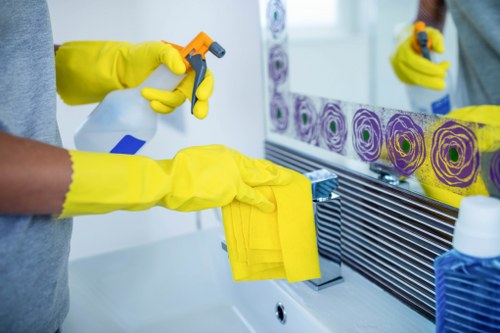
What our communal area cleaning service includes
Every building is different, so the exact cleaning specification should match the property layout, level of use, and resident expectations. That said, most communal cleaning plans in SW1 include a combination of routine and detail-focused tasks to keep shared spaces in good condition.
Typical tasks may include:
- Sweeping, vacuuming, and mopping shared floors
- Cleaning entrance halls, reception areas, and lobbies
- Wiping down handrails, bannisters, and lift buttons
- Cleaning internal glass, doors, and mirrors where accessible
- Dusting skirting boards, ledges, and low-level fixtures
- Removing light litter from communal spaces
- Cleaning bin store areas and helping control odours
- Spot-cleaning marks on walls, doors, and switches
- Reporting issues such as damaged lighting, leaks, or blocked access routes
- Maintaining front-of-building presentation, where relevant
Some buildings also need extras such as occasional deep cleans, post-refurbishment cleaning, carpet care, or more frequent attention to busy entry points. If your block has a concierge desk, lifts, mail areas, or shared lounges, those areas can be added to the plan too. The goal is to create a cleaning schedule that actually suits how the property is used rather than applying a one-size-fits-all approach.
We can tailor the service for apartment blocks, mansion flats, managed estates, and mixed residential-commercial premises. That flexibility is one reason many local property managers prefer a dedicated communal cleaning team rather than relying on ad hoc arrangements.

Why local knowledge matters in SW1
SW1 is a highly varied part of central London. Buildings near Victoria may have constant footfall from commuters and visitors. Properties around Pimlico often include period mansion blocks and residential terraces with shared entrances and staircases. In Westminster, mixed-use and managed properties may need cleaning around business hours, security access, and concierge arrangements. Belgravia and St James’s can include prestigious addresses, private developments, and properties where presentation matters every single day.
Local experience matters because cleaning access is not always straightforward. Parking can be limited, unloading may need to happen at specific times, and some buildings require fob entry, porter coordination, or advance notice for service access. A local team is usually better placed to work around those realities without disrupting residents or building operations.
There is also the question of timing. Some properties need early morning cleaning before residents leave, while others prefer daytime visits or scheduled work around waste collection and porter routines. In SW1 communal area cleaning, the ability to plan around the building’s rhythm is just as important as the cleaning itself.
Who this service is for
Our service is designed for people responsible for shared building upkeep, as well as residents who want a cleaner common environment. If you are unsure whether your property needs regular support, the answer is often yes if several households or tenants use the same entrance, staircase, or internal facilities.
We commonly work with:
- Block managers and managing agents
- Freeholders and leaseholders
- Resident management companies
- Private landlords with multi-occupancy buildings
- Housing associations and property providers
- Commercial landlords with shared entrance areas
- Mixed-use developments with residential access points
If your building in SW1 has residents who expect a tidy shared environment, or if you are responsible for a property that needs a reliable cleaning schedule, this type of service can make a noticeable difference. Request a free quote if you want to compare options for a weekly, twice-weekly, or customised plan.
Common cleaning challenges in shared SW1 buildings
Different buildings in SW1 face different issues, but some problems come up again and again. Shared spaces can quickly look tired when small problems are left to build up. A dependable cleaning routine helps stop that from happening.
High footfall and street-level dirt
Central London buildings often deal with soil, dust, moisture, and litter brought in from outside. Wet weather can leave marks and slippery patches near entrances, while dry weather can still bring grit into corridors and stairwells. Regular floor care helps keep surfaces safer and more presentable.
Bin store and waste area odours
Where a property has communal waste areas, smells and residue can become an issue quickly. Routine cleaning, waste-adjacent wipe-downs, and litter removal can help maintain a more pleasant environment for residents and visitors.
Fingerprints and marks on shared touchpoints
Lift buttons, handles, switches, rails, and door surfaces receive frequent use. These areas may not always look dirty at first glance, but they can quickly gather marks and smudges. A detailed cleaning routine keeps them looking cared for.
Older finishes and period features
Many SW1 properties include decorative mouldings, timber detailing, stone floors, or older staircases. These features need careful cleaning methods, not rough treatment. A good communal cleaning team understands how to work respectfully around historic or high-value surfaces.

How our communal area cleaning service works
The process should be simple for the people managing the building. We aim to make setup and ongoing service easy, transparent, and responsive to the property’s needs. Here is how it usually works:
- Initial discussion: We learn about your building, the areas to be cleaned, how often you need service, and any access requirements.
- Property review: We consider the layout, foot traffic, surface types, and any special instructions for the premises.
- Cleaning plan: A schedule is created around your preferred frequency, timing, and priorities.
- Service delivery: The cleaning team carries out agreed tasks consistently and with attention to detail.
- Ongoing adjustments: If resident use changes, waste levels increase, or access arrangements alter, the plan can be updated.
This approach is useful for buildings that need consistency rather than occasional spot cleaning. With communal cleaning in SW1, consistency is usually what keeps shared spaces under control. When a building is cleaned regularly, it is easier to maintain standards and less likely to need reactive fixes after problems escalate.
Clear expectations matter. A well-defined scope helps avoid misunderstandings about what is covered, when work is done, and how special requests should be handled. That is especially important in buildings with multiple stakeholders, such as managing agents, leaseholders, and resident committees.
What makes a local company a better fit for SW1
When you choose a local team for communal area cleaning SW1, you are often choosing people who understand the practical realities of the area. That includes busy streets, controlled access buildings, tight service windows, and the need to keep shared spaces looking smart in a neighbourhood where presentation matters.
Local cleaners are also usually better placed to respond to changing needs. If there is a special event nearby, seasonal increase in footfall, temporary building works, or an issue with waste collection, it helps to have a team that already knows the area and can adapt.
Some of the main benefits of choosing a local service include:
- Better understanding of central London access conditions
- More practical scheduling around building routines
- Familiarity with residential and commercial property types
- Quicker response to changes in cleaning requirements
- Support that feels tailored rather than generic
If your building is in or around SW1 and you want a reliable, recurring service, a nearby team can save time and reduce hassle.
Areas covered in and around SW1
SW1 includes a mix of neighbourhoods and property styles, so service needs can vary widely. We work across a range of local locations, including nearby and central areas such as:
- Victoria
- Pimlico
- Westminster
- Belgravia
- St James’s
- Areas close to Hyde Park Corner and central London residential blocks
- Mixed-use buildings near main transport and commercial routes
We also support properties where access routes, resident entry points, or shared facilities fall on the boundary between these locations. If you are unsure whether your building fits the service area, it is worth enquiring. Many communal cleaning arrangements depend more on building type and access than on a strict postcode line.
What property types can benefit from communal cleaning
Communal spaces are found in many kinds of buildings, not just large apartment blocks. In SW1, the service is often requested for a variety of layouts and ownership structures. Some buildings need daily attention, while others benefit from one or two visits per week. The best schedule depends on how the space is used and what residents expect.
Residential blocks and mansion flats
These properties often require regular cleaning of staircases, corridors, lifts, and entrance halls. Shared areas can quickly collect dust, especially in larger buildings or those with multiple floors.
Converted townhouses and period buildings
Converted buildings can be charming, but they often have narrow stairs, older fixtures, and unique surfaces. Careful cleaning is important to preserve the appearance of the property while keeping common areas tidy.
Managed developments
Larger developments may include foyers, lift lobbies, glass features, shared mail areas, and bin stores. These spaces usually need a structured schedule and clear standards.
Mixed residential-commercial premises
Where residents share access with offices, retail units, or professional premises, cleaning needs may be more complex. Separate entryways, loading access, and different usage patterns all need to be considered.

How to prepare for communal area cleaning
Preparation is usually straightforward, but a few simple steps can help the service run smoothly and avoid delays. If you are arranging regular communal cleaning for a building in SW1, the following checklist is a useful starting point.
Preparation checklist:
- Confirm which areas should be included
- Check access arrangements, keys, codes, or fobs
- Identify any restricted times for cleaning
- Let residents or occupants know about the schedule if needed
- Highlight fragile finishes, alarm systems, or security rules
- Share any known issues, such as leak-prone areas or recurring spillages
- Make sure bins, storage, and hallways are accessible on service days
Good preparation does not need to be complicated. The main goal is to make sure the cleaning team can work efficiently and respectfully without creating disruption for residents or building staff.
Where access is limited or shared with a porter, concierge, or building manager, coordination is especially useful. That helps ensure common areas are cleaned properly without interfering with daily routines.
Pricing factors to consider
Because every building is different, pricing for communal area cleaning in SW1 usually depends on several practical factors rather than a single fixed figure. We do not use generic pricing claims because the right quote depends on the property itself.
Factors that can affect cost include:
- Size of the building and number of floors
- Frequency of cleaning required
- Type of surfaces and level of detail needed
- Presence of lifts, glass features, or bin stores
- Access arrangements and time restrictions
- Whether deep cleaning or occasional extras are included
- Level of wear, traffic, and ongoing maintenance needs
For example, a small converted block with a simple entrance and one staircase will usually have different needs from a multi-storey development with lifts, mail areas, and multiple resident entrances. Similarly, a building with heavy daily traffic near Victoria may need more frequent attention than a quieter residential address tucked away on a side street in Pimlico.
If you want an accurate quote, the best approach is to request a short assessment of the property and explain what you want the cleaning plan to achieve. Contact us today if you would like a tailored discussion rather than a standard package.
Why regular cleaning is better than occasional catch-up work
Many building managers wait until the communal areas look noticeably tired before arranging a clean-up. While that can solve an immediate problem, it often takes more time and effort than maintaining the space regularly. A recurring schedule is usually more cost-effective in practical terms because it helps prevent heavy build-up.
Regular cleaning offers several benefits:
- Cleaner first impressions for residents and guests
- Reduced build-up of dirt and debris
- Better upkeep of floors, paintwork, and fixtures
- Less odour around waste storage areas
- More consistent standards across the property
- Fewer urgent complaints about shared areas
In busy SW1 buildings, prevention is often easier than recovery. A consistent routine helps keep things manageable, especially in properties with higher footfall or older interiors.
Quality, safety, and respect for the building
Communal cleaning is not just about visible cleanliness. It also involves working carefully around residents, visitors, and building systems. Good service means paying attention to how the building is used and treating shared spaces with respect.
That includes:
- Working quietly where possible and avoiding disruption
- Using suitable methods for different surface types
- Being careful around lifts, entry systems, and signage
- Respecting privacy and controlled access procedures
- Keeping pathways clear and reporting hazards when noticed
In a central area like SW1, where many buildings have professional management and residents with specific expectations, reliability and consistency matter just as much as cleaning results. A trustworthy team should fit into the building’s routine without becoming a nuisance.
Frequently asked questions
How often should communal areas be cleaned?
That depends on the size of the building, number of residents, and foot traffic. Some properties benefit from weekly cleaning, while busier blocks may need more frequent visits. A flexible schedule is usually best.
Can you clean shared areas in older buildings and period properties?
Yes. Older buildings are common in SW1, and they often require careful cleaning methods. Attention to surface type, stair materials, and decorative features is important.
Do you work with managing agents and resident committees?
Yes. Many communal cleaning arrangements involve multiple decision-makers. A clear scope and regular communication help keep the service running smoothly.
What if our building has difficult access or limited parking?
That is common in central London. A local team can plan around access times, fob systems, loading constraints, and other practical challenges.
Can bin stores and waste areas be included?
Yes, where appropriate. Bin areas often need special attention because they can affect smell, cleanliness, and overall presentation.
Do you offer one-off cleaning as well as regular visits?
Yes, many properties need occasional support in addition to regular cleaning. This might include a one-off reset before a new tenancy, after works, or following a period of heavy use.
How do I know what service level is right for our property?
The best option depends on how many people use the building, how much traffic there is, and how high your standards are for presentation. A short assessment or initial discussion is usually enough to shape a suitable plan.
Why residents notice the difference
Shared spaces influence how people feel about the building they live in. When entrance halls are clean, stairs are free of debris, and bin areas are managed properly, the whole property feels more cared for. This can reduce complaints, improve day-to-day comfort, and make life easier for everyone in the building.
For residents, the benefits are often simple but meaningful: a tidier entrance after a wet day, fewer unpleasant smells near waste storage, cleaner handrails, and a general sense that the property is being looked after. For managers and landlords, those same improvements can support tenant satisfaction and help maintain the building’s condition.
If you need communal area cleaning in SW1 that feels dependable rather than patchy, a local regular service is the best place to start.
Arrange your SW1 communal cleaning service
If your building’s shared areas need more consistent attention, now is a good time to put a proper plan in place. Whether you manage a small block in Pimlico, a larger development in Westminster, or a mixed-use property near Victoria, a tailored cleaning schedule can save time and improve the everyday experience of everyone using the building.
We provide communal area cleaning in SW1 for properties that need reliable upkeep, clear communication, and practical support. The service can be adjusted to suit access arrangements, property layout, and cleaning frequency requirements.
Book your service now, or request a free quote to discuss what your building needs. If you are comparing options for a local cleaning provider, it helps to start with a service that understands the realities of SW1 and can fit around the property rather than disrupting it.
Contact us today to get started with a cleaning plan that keeps your communal spaces looking their best.