Stain Removal in SW1 for Homes, Flats and Businesses
When a stain lands on a carpet, sofa, curtain, dining chair, or office floor, it can feel like a small problem that quickly becomes a big one. In a busy central London area like SW1, everyday life brings constant traffic, limited space, and a mix of property styles that all create different cleaning challenges. Whether you are dealing with a fresh spill in a flat near Victoria, marks on upholstery in Pimlico, or stubborn spots in a townhouse close to Westminster, stain removal in SW1 needs to be quick, careful, and suited to the material involved.
Local customers often want more than a surface clean. They want a service that understands delicate fabrics, high-value interiors, landlord expectations, shared building access, and the realities of working in busy streets where parking can be difficult. That is why professional stain treatment is so useful here: it is targeted, efficient, and designed to protect the item while improving its appearance. If you need help with a wine spill, coffee stain, makeup mark, pet accident, ink spot, or general blemish that will not budge, a local specialist can assess the issue and choose the safest approach.
From private homes and managed apartments to offices, reception areas, hospitality spaces, and short-let properties, stain issues happen in every setting. The right service is not just about removing the mark you can see. It is also about preventing damage, reducing the chance of a stain setting permanently, and keeping your property presentable for family, guests, customers, staff, or tenants. If you are looking for practical help in SW1, it makes sense to choose a team that works locally and understands the pace of the area.
Why stain removal matters so much in SW1

SW1 includes some of London’s best-known neighbourhoods and a wide variety of buildings, from elegant period properties to modern apartment blocks and commercial spaces. That mix creates very different cleaning needs. A stain on a fitted carpet in a quiet mews house may require a different method than a mark on a fabric chair in a busy office or a food spill in a serviced apartment. Because materials, dye types, and construction vary so much, stain removal should never be treated as a one-size-fits-all job.
Another reason stain problems matter locally is presentation. Many SW1 properties are used for entertaining, professional meetings, guest stays, or long-term rentals. Even a small visible mark can affect how a room feels. In a reception room, a mark on the carpet can draw the eye immediately. In a kitchen-diner, a stain on a rug can make the whole space feel less cared for. For landlords and managing agents, stain treatment can also help maintain standards between tenancies and reduce avoidable deterioration.
Then there is the practical side. Busy central areas bring constant footfall, and that means more opportunities for spills and tracked-in marks. High-traffic entrances, communal hallways, and office corridors in SW1 often pick up dirt and staining faster than people expect. Professional stain removal in SW1 gives you a chance to deal with the problem properly before it becomes harder, more costly, or more visible.
Types of stains we often see in SW1
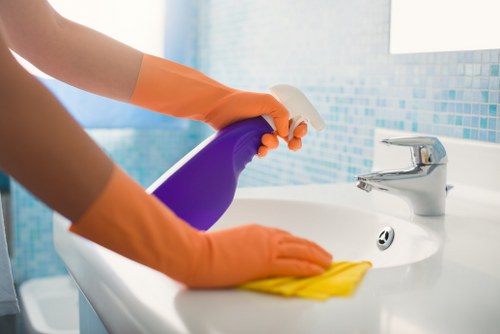
Every stain behaves differently. Some are water-based and respond well to targeted treatment. Others contain oils, dyes, proteins, tannins, or chemical components that bond with fibres or fabrics. Understanding the stain type is a crucial part of choosing the right cleaning method.
Common issues local customers ask about include:
- Drink spills: tea, coffee, wine, fruit juice, soft drinks, and cocktails.
- Food marks: sauce splashes, grease spots, chocolate, curry, and dessert stains.
- Everyday household stains: makeup, lotions, hand cream, ink, paint, and mud.
- Pet-related marks: urine, vomit, drool, paw dirt, and odour-related staining.
- Office and commercial stains: toner, pen marks, marker, food spillages, and footwear marks.
It is also common to see set-in marks that have been there for some time. These may have already changed colour, dried into the fibres, or reacted with previous cleaning attempts. In some cases, a stain is no longer wet but has left behind a visible shadow, ring, or patch. That is where careful inspection becomes important, because the cause of the mark may influence the treatment needed.
Some customers try home products first and then call for help when the result is mixed. That is completely understandable, but it can make the issue more complicated. Over-wetting, rubbing, using the wrong chemical, or applying heat too early can all push a stain deeper or distort the surface. A trained local cleaner can often make a much better assessment and save the item from further damage.
What our stain removal service includes
A proper stain treatment service should be tailored to the item and the stain, not rushed through with a standard product. In SW1, where properties and furnishings can range from everyday practical items to high-end fabrics, a careful approach matters. The aim is to reduce the mark safely while preserving the texture, colour, and structure of the material.
Typical stain removal work may include:
- Inspection of the stain and surrounding area.
- Identification of the fabric, fibre, or surface type.
- Selection of suitable pre-treatment or spot treatment methods.
- Controlled cleaning using the appropriate equipment or solutions.
- Attention to edges, rings, and residue left after the main stain is lifted.
- Drying advice and aftercare recommendations.
Stain removal in SW1 can be carried out on carpets, rugs, sofas, armchairs, mattresses, curtains, dining chairs, office seating, and some hard surfaces depending on the material and the contamination. In many cases, the service is more effective when the stain is treated as soon as possible. However, older marks can still often be improved significantly with the right process.
Important note: not every stain can be removed completely, especially if the fabric has already been damaged, discoloured, or overtreated. A trustworthy local service should explain what is realistic before work begins, so you know what to expect.
How the process works

Many customers want to know what actually happens when they book help with stain removal in SW1. The process is usually straightforward, but it should still be thorough. A good result depends on identifying the problem properly and using the right method at each stage.
Step 1: Initial assessment
The cleaner checks the stained area, the fabric type, and the surrounding condition. This helps determine whether the stain is fresh, dry, layered, greasy, protein-based, or likely to be colour sensitive. In a central London property, access, lighting, and room layout are also considered, because these can affect how the work is done.
Step 2: Testing and treatment choice
Where needed, a small area may be tested first to see how the material responds. This is especially important on delicate upholstery, wool carpets, natural fibres, silk-like fabrics, and older furnishings. The chosen method may involve spot treatment, targeted agitation, extraction, or low-moisture cleaning depending on the situation.
Step 3: Careful stain lifting
The stain is treated patiently rather than aggressively. The goal is to break down the mark without spreading it or driving it deeper. For some stains, several passes are needed. For others, lifting the contamination and residue in the right sequence is the key.
Step 4: Final finishing
Once the stain has been treated, the area is checked for remaining shadowing, edge marks, or texture changes. The cleaner may also advise on drying time, ventilation, and any aftercare steps to help protect the result. In certain cases, a follow-up visit can be discussed if the stain needs more than one round of treatment.
Why local customers in SW1 benefit from a nearby service
Choosing a local team for stain removal in SW1 is not just about convenience. It can also improve the overall experience. Central London has its own access issues, parking restrictions, loading challenges, and building entry systems, so working with a nearby service often means less delay and fewer complications. If you live or work around Westminster, Pimlico, Belgravia, Victoria, or nearby parts of Central London, a local cleaner is more likely to understand the area’s practical realities.
Local knowledge matters in buildings with porters, concierge desks, shared entrances, narrow stairways, lifts, or resident-only access. It also helps when working in commercial premises that need appointments outside normal office hours or in residential blocks where disturbance must be kept to a minimum. A local team is often better placed to plan the visit around your schedule and the building’s requirements.
There is also a trust factor. Customers often feel more confident when they can speak to a team that regularly works in their area and understands the types of properties nearby. A well-handled stain removal visit should feel organised, respectful, and tailored to your home or workplace. That is especially important if you are preparing for guests, moving out, handing over a rental property, or trying to restore a professional appearance quickly.
Residential stain removal for homes and flats
Common household situations
In homes and flats throughout SW1, stain problems tend to happen in the most used areas: living rooms, dining spaces, hallways, bedrooms, and home offices. A coffee cup knocked over on a carpet, a child’s juice spill on a rug, or a pet accident on an upholstered chair can all leave visible marks that are difficult to remove with standard household products. In many cases, time is the biggest factor. The sooner the stain is treated, the better the chance of a cleaner result.
For residents in period conversions, mansion blocks, or compact apartments, space and ventilation can be limited. That means the cleaning approach has to be efficient and practical. Equipment needs to be manageable, treatments need to be controlled, and drying must be considered carefully. A local stain removal service can work around these conditions without turning your home upside down.
Households also often need support with sensitive items. These may include heirloom chairs, expensive rugs, or soft furnishings that are not easy to replace. In such cases, careful stain removal can be a sensible way to preserve an item you like rather than sending it to the bin after one accident.
Helpful examples of home stain issues
- Wine on a dining chair during dinner with friends.
- Tea or coffee on a lounge carpet.
- Makeup or skincare product marks on bedding or upholstery.
- Food grease on a rug near the sofa.
- Pet staining on a mattress, carpet, or soft chair.
Tip for household customers
Blotting gently is usually better than rubbing, but avoid over-wetting the area or applying random household sprays. If you are unsure, it is safer to leave the stain alone until a professional assessment can be made.
Commercial stain removal for SW1 businesses
Businesses in SW1 often need fast, discreet, and reliable stain treatment because appearance is part of the customer experience. Offices, meeting rooms, hospitality areas, private members’ spaces, showrooms, and managed workspaces all need to look presentable. A stained carpet near a reception desk or a marked sofa in a client lounge can create the wrong impression, especially in an area where standards are often high.
Commercial stain removal can support a wide range of premises, including small professional offices, shared workspaces, healthcare-adjacent settings, retail units, and hospitality venues. The needs are different from residential work. There may be more footfall, more frequent spillages, stricter time windows, and a need for minimal disruption. A local provider familiar with SW1 can help plan around opening hours, deliveries, meeting times, and staff movement.
For landlords, letting agents, and building managers, stain treatment can be useful between tenancies or after incidents in common areas. It can help maintain a professional standard without the cost and disruption of replacing soft furnishings unnecessarily. In busy central locations, that practical balance matters.
- Reception carpets and runners.
- Office chairs and meeting room seating.
- Communal upholstery in managed buildings.
- Stained entrance mats and lobby areas.
- Rugs and soft finishes in hospitality spaces.
Preparation checklist before your appointment
Preparing properly helps the visit go smoothly and can improve the outcome. You do not need to do much, but a few simple steps can make a difference. If you are arranging stain removal in SW1 for a carpet, rug, sofa, or chair, the following checklist is helpful.
- Identify the item that needs treatment and note the stain type if known.
- Avoid scrubbing the area or applying more products unless instructed.
- Clear small items, ornaments, or furniture that block access to the stain.
- Make sure someone can grant access to the property or room.
- Let the cleaner know if the area has been treated before.
- Highlight any delicate materials, underfloor heating, or special care requirements.
If you are in a building with restricted entry, concierge procedures, or limited parking, it is especially helpful to mention this when arranging the work. Central London access can add time to a visit, so good planning makes everything easier.
What affects pricing for stain removal?
Customers often ask what determines the cost of stain treatment. While exact prices depend on the job, several common factors influence the quotation. Understanding these can help you compare services fairly and choose the right approach for your needs.
- Type of stain: Some marks are easier to treat than others, while dye, grease, and protein-based stains may need more careful work.
- Material involved: Delicate fabrics, natural fibres, and older items may require more specialist attention.
- Size and spread: A small isolated spot is different from a large area or multiple stains.
- Age of the stain: Fresh stains are often easier to lift than old, set-in marks.
- Location and access: Flats, upper floors, restricted entry, or central parking limitations can affect scheduling and setup.
- Additional cleaning needs: Sometimes stain removal is combined with broader carpet or upholstery cleaning.
It is sensible to request a free quote or assessment so the work can be priced according to the actual condition of the item. That way, you know what is included and whether any extra care is required before the appointment takes place.
Good value is not just the lowest cost. It is also about avoiding unnecessary replacement, protecting the item, and getting a result that makes the space usable and presentable again.
How to choose the right stain removal company in SW1
With a stain on a valuable carpet or piece of upholstery, it is worth choosing carefully. Not every cleaner uses the same process, and not every stain responds to the same treatment. A reliable local service should be able to explain how it will assess the mark, what method it recommends, and what the limitations may be.
Look for a team that offers:
- Experience with different fabric types and stain categories.
- A calm, careful approach rather than aggressive overuse of chemicals.
- Awareness of central London access and property layouts.
- Clear explanations about realistic outcomes.
- Flexibility for residential and commercial appointments.
It can also be reassuring when the company understands how to work respectfully in shared hallways, managed blocks, offices, and homes where discretion matters. In SW1, those details are not minor; they are part of a smooth service experience.
Ask yourself: do you want the stain treated quickly, safely, and with minimal disruption? If the answer is yes, a local specialist is often the best fit.
Areas covered in and around SW1
Stain treatment requests come from a wide range of streets, blocks, and property types across SW1. Local demand often includes central residential and business districts where people need a dependable, practical service close by. Common nearby areas include Westminster, Victoria, Pimlico, Belgravia, and surrounding central London locations.
This local reach matters because different parts of SW1 can present different challenges. Some homes are in historic buildings with narrow staircases; others are in modern developments with lift access and concierge procedures. Offices may sit above busy streets with limited loading space. Retail and hospitality venues may need work done outside peak trading times. A local team can adapt more easily to these conditions than someone travelling in from far away.
If your property is in a neighbouring part of central London and you are unsure whether the service applies to you, it is worth asking. Stain removal support is often arranged for properties just beyond the immediate SW1 core when the schedule and access fit well.
Frequently asked questions
Can every stain be removed completely?
Not always. Some stains have already altered the fibres or caused permanent discolouration. However, many marks can be improved substantially, and even stubborn stains may become far less visible with the right treatment.
Is it safe to try home cleaning first?
Light blotting can be sensible for fresh spills, but scrubbing or using random products can make the problem worse. If the item is delicate or valuable, it is usually safer to seek advice before trying stronger methods.
Do you treat both carpets and upholstery?
Yes, stain removal is commonly carried out on carpets, rugs, sofas, chairs, mattresses, and other soft furnishings where suitable. The method depends on the material and the type of stain.
How soon should I book after a spill?
The sooner the better. Fresh stains are usually easier to deal with than older ones that have had time to dry or set. If you cannot arrange immediate help, avoid adding water or chemicals unless you are sure they are suitable.
Will the cleaning leave my item wet for long?
Drying time depends on the surface, the treatment used, and room ventilation. A local cleaner should explain what to expect and how to help the area dry properly afterwards.
Can you help with landlord or end-of-tenancy stain issues?
Yes, stain removal can be useful before check-outs, during void periods, or after incidents that need addressing quickly. It is often a practical way to improve appearance without replacing the item.
Do you work in offices and commercial buildings?
Yes, commercial clients often need fast, discreet stain treatment in reception areas, meeting rooms, and other client-facing spaces. Planning around access and business hours is part of the service.
Book stain removal in SW1 with a local team
If you have a stain that is spoiling a carpet, chair, sofa, or other furnishing, waiting rarely helps. The mark may settle deeper, spread, or become harder to treat. A local service gives you a practical way to deal with the issue promptly, with the right tools and experience for the material involved. For busy homes, rental properties, and commercial premises, that can save time, reduce stress, and improve the look of the space.
Whether you are dealing with a single accidental spill or several problem areas, a professional assessment can show you the best next step. From stubborn wine marks to everyday wear and tear, stain removal in SW1 is about restoring appearance while protecting the item underneath. If you need fast help and clear advice, contact us today, request a free quote, or book your service now.
When you are ready, a local stain specialist can help bring your room, office, or property back to a cleaner and more polished condition.